

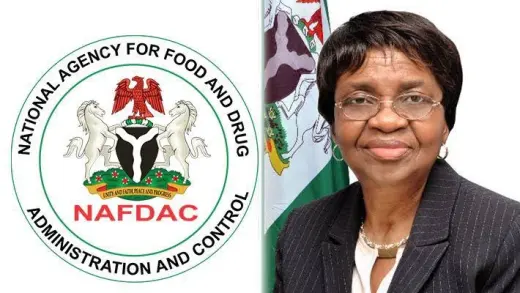
The National Agency for Food and Drug Administration and Control (NAFDAC) has called on healthcare professionals, medicine vendors, patients, and other stakeholders to promote the rational use of medicines and strengthen pharmacovigilance practices as part of efforts to improve patient safety and public health outcomes in Nigeria.
The appeal was made during the Mushin Local Government Community Sensitisation Programme on Pharmacovigilance, where the Director of Pharmacovigilance at NAFDAC, Dr. Uchenna Elemuwa, represented the Director-General of the agency, Prof. Mojisola Adeyeye.
Addressing participants at the event, Dr. Elemuwa highlighted the dangers associated with the irrational use of medicines, including self-medication, misuse of antibiotics, incorrect dosing, drug sharing, and the consumption of counterfeit or substandard medicines.
According to her, such practices contribute significantly to adverse drug reactions, treatment failures, antimicrobial resistance, rising healthcare costs, and preventable deaths.
She stressed that pharmacovigilance—the science of detecting, assessing, understanding, and preventing adverse effects or other medicine-related problems—remains essential in ensuring the continued safety, quality, and effectiveness of medicines after they have been approved for public use.
“Pharmacovigilance plays a critical role in protecting public health by identifying and preventing medicine-related risks, thereby ensuring safer and more effective treatment outcomes for patients,” she said.
Dr. Elemuwa further reaffirmed NAFDAC’s commitment to strengthening post-market surveillance, improving adverse drug reaction reporting systems, enhancing risk communication, and expanding public awareness campaigns across the country.
The agency urged healthcare professionals and members of the public to make use of available channels for reporting adverse drug reactions and medicine-related concerns, noting that every report contributes to improving medicine safety and protecting lives.
NAFDAC also called for stronger collaboration among healthcare institutions, professional bodies, pharmaceutical industry stakeholders, and local communities in tackling antimicrobial resistance and promoting the safe use of medicines nationwide.
The agency emphasized that building a robust culture of pharmacovigilance is crucial to safeguarding public health and ensuring that medicines available to Nigerians remain safe, effective, and of high quality.
Background
Pharmacovigilance is a key component of healthcare systems worldwide, focusing on the monitoring and evaluation of medicines after they enter the market. Through effective reporting and surveillance mechanisms, regulatory agencies can identify potential safety concerns and take necessary actions to protect patients from harmful effects associated with medicine use.



0 Comments
No comments yet. Be the first to share your thoughts.
Leave a Comment