
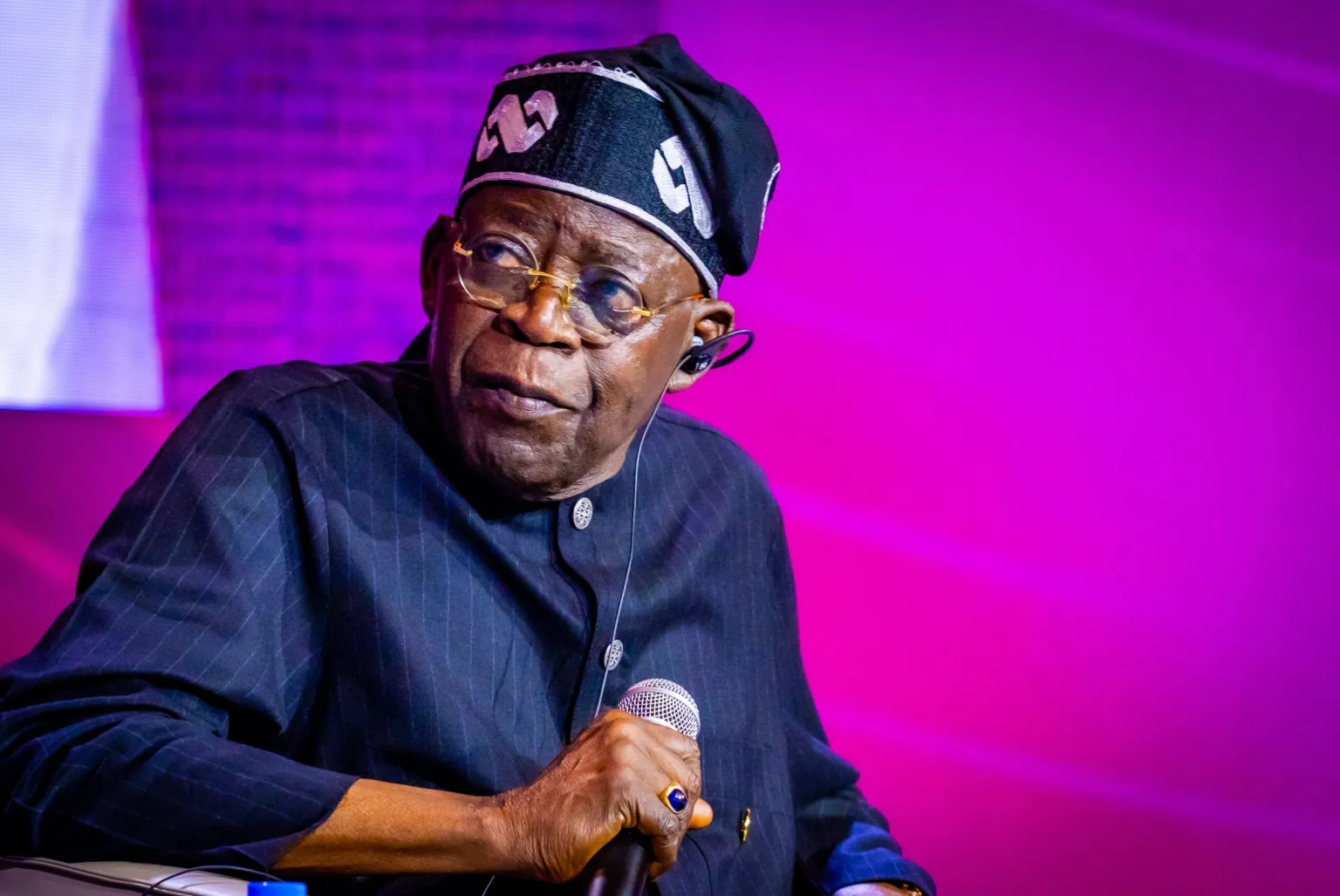
In a stark reminder of Nigeria's political history, President Bola Tinubu's strategies echo the controversial tactics of the National Party of Nigeria (NPN), which sought to solidify its power by destabilizing opposition. During the 1983 elections, then-President Shehu Shagari boldly proclaimed, "You cannot defeat the NPN. Join the NPN," showcasing a climate where political maneuvering often prioritized self-interest over public service. This approach, rooted in a quest for control, raises critical questions about the current political landscape, especially as Nigeria grapples with ongoing governance challenges.
The NPN wielded state power to undermine rival parties, funneling resources into factions of the Nigerian People's Party (NPP), People's Redemption Party (PRP), and Great Nigeria People's Party (GNPP). The NPN's insidious tactics included declaring affiliated factions as legitimate, thereby manipulating the political framework to maintain dominance. This historical context is crucial for understanding how power dynamics in Nigeria have evolved, particularly since the rise of a Nigerian power elite in 1952, which has long prioritized the accumulation of capital over the welfare of the populace.
Historically, the emergence of this elite class marked a significant turning point in Nigerian politics. Dr. Segun Osoba's analysis indicates that 1952 was pivotal, as it heralded the establishment of a ruling class that leveraged control over fiscal policies to create a capital-owning class in Nigeria. This shift broke the hold of foreign firms on government contracts, paving the way for local business interests to flourish—albeit through connections with the political elite. The resulting structures, including state-sponsored marketing boards and real estate deals, laid the groundwork for the systemic challenges Nigeria faces today.
The impact of these historical patterns resonates across Nigeria's socio-political fabric. As political analysts scrutinize the current administration, many express concern that the same principles of self-service and capital accumulation continue to dictate governance. The consequences are dire: corruption, poor public services, and a widening gap between the elite and the average Nigerian. Citizens and experts alike call for a re-evaluation of political strategies to prioritize genuine service over the pursuit of power.
Looking ahead, observers should closely monitor President Tinubu's policies and their alignment with the lessons of the past. With calls for transparency and accountability growing louder, the future of Nigeria's democracy may hinge on whether leaders can break free from the shackles of historical precedents. The hope remains that a new political narrative can emerge, one that truly serves the people and fosters equitable growth for all Nigerians.

0 Comments
No comments yet. Be the first to share your thoughts.
Leave a Comment