
By Adebayo Michael
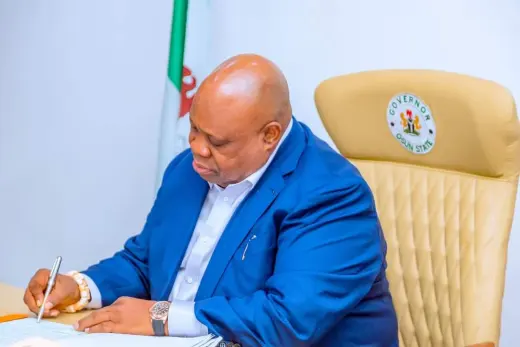
Reflecting on the just-concluded governorship election in Osun State, in which the Asiwaju of Ede land, Senator Ademola Nurudeen Jackson Adeleke, reclaimed victory for a second term, the election will remain memorable in the minds of many Osun citizens and residents.
The election was characterised by intense political activity, competing narratives and claims of federal influence. Despite the opposition's attempts to project what it described as federal might, the people of Osun State, according to supporters of the governor, remained determined to exercise their democratic choice.
Among those who received particular commendation from the Adeleke camp were state workers, who supporters said stood firmly behind the governor because of his administration's approach to salaries, workers' welfare and inherited arrears.
Governor Adeleke's first term, which concludes on November 26, has been strongly defended by his supporters as a period of improved workers' welfare. They argue that his administration restored confidence among workers by paying salaries and addressing outstanding obligations inherited from previous administrations.
The administration's supporters have also pointed to its infrastructure projects across the state as one of its major achievements.
In Osogbo, the state capital, projects around Old Garage, Lameco, Oke-Fia and other major areas have been presented as efforts to reduce traffic congestion and improve movement. The dualisation of major roads and the construction of flyovers have also been cited as evidence of the government's investment in urban infrastructure.
Similar projects have been highlighted in major towns including Iwo, Ila-Orangun, Ilesa, Ede and Ile-Ife. Supporters say these interventions have improved road connectivity while contributing to economic activities across the state.
The education sector has also featured prominently in the administration's record. Supporters of the governor contend that Osun's position in national education rankings has improved significantly under Adeleke, alongside what they describe as improved stability in the state's schools.
In the health sector, the government has highlighted the upgrading of more than 200 primary healthcare centres across Osun State. The administration has also received recognition for its healthcare interventions, with its supporters describing the achievements as a major improvement from the situation they inherited.
However, beyond the government's record, the governorship election was also marked by intense political controversy.
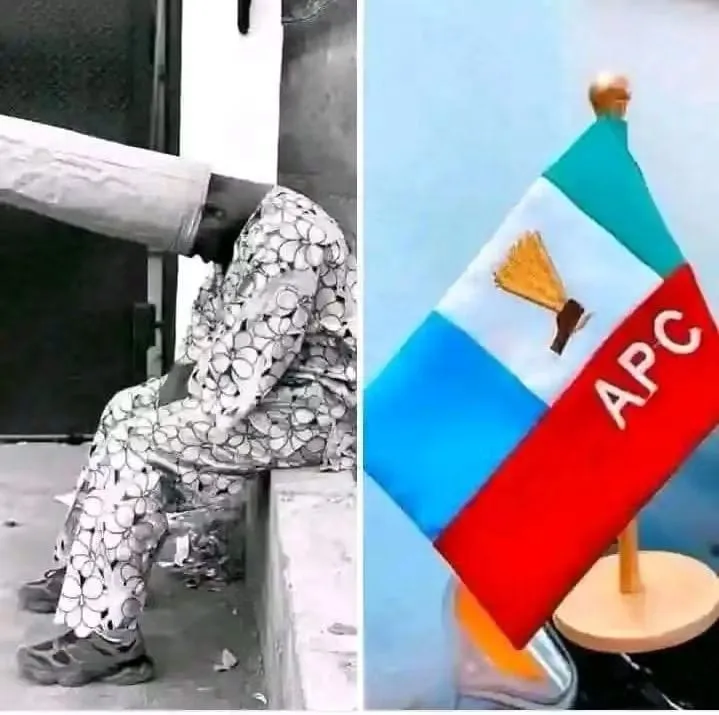
The political struggle between the PDP and APC was accompanied by allegations of intimidation, violence, unlawful arrests and attempts to influence voters. Some of these allegations were directed at political actors associated with the APC.
The local government crisis in Osun State also became a major political issue. Critics of the APC argued that the party's actions concerning the local government structure contributed to growing resentment among sections of the electorate.
For the supporters of Governor Adeleke, politics begins at the grassroots. They argued that the attempt to exercise political control at the local-government level without sufficient consideration for public sentiment ultimately worked against the opposition.
Security was another major issue during the election period. There were allegations of violence and intimidation in some parts of the state, while political actors exchanged accusations over the conduct of their supporters.
Statements attributed to some political figures also generated controversy.
Honourable Wole Oke, who represents the Oriade/Obokun Federal Constituency, was accused by Adeleke's supporters of making threatening comments concerning voters who intended to support parties other than the APC.
Senator Adenigba Fadahunsi, representing Osun East Senatorial District, was similarly embroiled in controversy over remarks attributed to him in a video circulated on social media. The senator was reportedly invited by the police following public reactions to the remarks.
The controversy surrounding the statements further intensified the debate about political rhetoric, security and the responsibilities of political leaders during elections.
Wole Oke, a fifth-term federal lawmaker, had also made strong claims about his political influence in Ijesa North during the campaign. According to Adeleke's supporters, some of those predictions did not materialise at the polls, as the governor's camp ultimately secured significant support in the constituency.
The role of security agencies during the election period also attracted public scrutiny. Statements attributed to the former Osun State Commissioner of Police, CP Ibrahim Gotan, concerning difficulties in apprehending suspected criminals operating in forested areas generated criticism and questions about the effectiveness of security operations in the state.
For Adeleke's supporters, the election result represented more than a victory for one candidate. They described it as a demonstration of the power of grassroots mobilisation and the willingness of voters to make their own political choices.
The outcome also exposed the limits of relying solely on national political influence to determine the result of a state election. Despite the involvement of prominent political figures from outside the state, the electorate ultimately had the final say at the ballot box.
The Osun governorship election has therefore added another significant chapter to the state's political history.
With the election now concluded, attention will shift from political campaigns to governance. Governor Adeleke will face the responsibility of consolidating his administration's achievements while addressing the challenges that remain in infrastructure, education, healthcare, employment and economic development.
For the opposition APC, the result provides an opportunity to reassess its strategy, reconnect with the grassroots and examine the issues that contributed to its electoral performance.
Ultimately, the election has demonstrated one enduring reality of democratic politics: political power may be influenced by structures, personalities and resources, but the electorate retains the power to determine who governs.
God Bless Osun State.
God Bless Governor Adeleke.
Adebayo Michael
Journalist

0 Comments
No comments yet. Be the first to share your thoughts.
Leave a Comment