
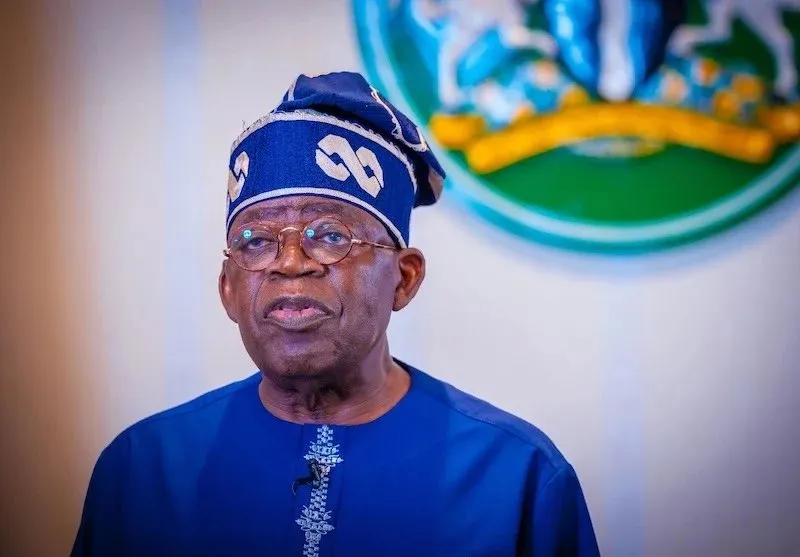
ABUJA — The Federal Government has announced a 30-day discount on petrol sold through retail outlets operated by the Nigerian National Petroleum Company Limited (NNPCL), in a move aimed at reducing the impact of rising fuel and transportation costs on Nigerians.
The Minister of Finance and Coordinating Minister of the Economy, Taiwo Oyedele, announced the measure on Thursday, October 8, 2026, during a press briefing in Abuja on fuel prices and the government’s position on petrol subsidy.
According to Oyedele, the discount will run for an initial 30 days, with public transport operators receiving priority under the arrangement.
He stressed that the measure should not be regarded as a return to the former petrol subsidy regime, saying the government would instead allow petrol to be sold at cost through NNPC outlets.
“We are offering a discount on petrol dispensed by NNPC Limited for the next 30 days in the first instance, with priority for public transporters nationwide. So, it’s not a subsidy; the government is just saying we sell to you at cost.”
The announcement comes amid renewed concerns over the impact of high petrol prices on transportation, household expenses and the wider cost of living.
FG Targets ₦1,350 Petrol Cost Ceiling
The Federal Government also disclosed plans to negotiate a ₦1,350-per-litre ceiling on the ex-gantry or landing cost of petrol as part of a broader price-modulation mechanism.
Oyedele said the proposed ceiling is designed to reduce sharp fluctuations in petrol prices caused by changes in international crude oil prices and the foreign exchange market.
Under the arrangement, refiners and importers would initially absorb any shortfall when the cost rises above the proposed ceiling and recover the difference when market conditions improve.
The minister said the mechanism would be reviewed monthly and published for transparency.
Other Measures Announced
The Federal Government also outlined additional measures aimed at cushioning Nigerians from rising fuel prices.
These include increased forward sales of crude oil to domestic refineries, removal of illegal levies that increase transportation costs, increased support for vulnerable households, subsidised credit for small businesses and an accelerated rollout of compressed natural gas (CNG) vehicles.
The government is also considering an excess-profit tax on businesses found to be taking undue advantage of the situation, while proceeds would be channelled towards transport support and other targeted relief measures.
Other plans include establishing a National Strategic Fuel Reserve, reducing regulatory costs and improving traffic and logistics management to lower fuel consumption and distribution expenses.
The government said the measures are targeted interventions rather than a return to the blanket petrol subsidy system abolished by President Bola Ahmed Tinubu in 2023.
The 30-day discount is expected to provide temporary relief to transport operators and other petrol consumers, although the government is yet to disclose the exact amount of the discount per litre.
The development has already generated political reactions, with opposition figures questioning the temporary nature of the intervention and asking what would happen after the 30-day period.


0 Comments
No comments yet. Be the first to share your thoughts.
Leave a Comment