
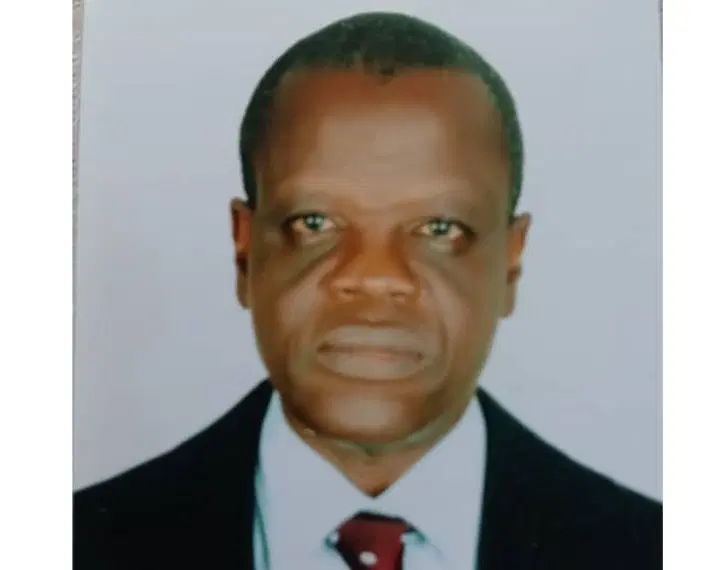
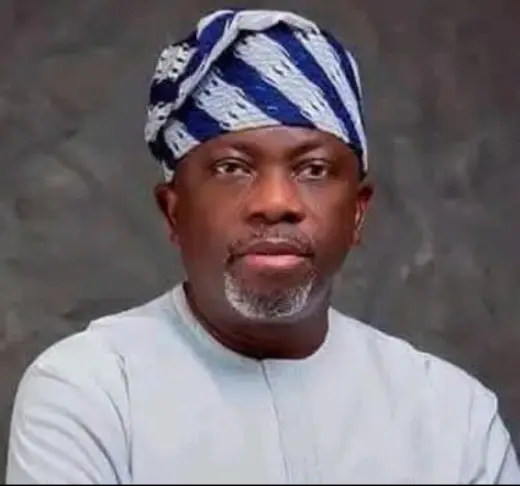
In a shocking turn of events, Lagos lawmaker Desmond Elliot finds himself ensnared in a political crisis that echoes beyond the confines of his Surulere constituency. The stakes are high as President Bola Tinubu intervenes, sending a powerful message about his control over Lagos politics. Elliot, a notable figure in Nollywood, faces backlash as he seeks a fourth term, with tensions escalating amid accusations of his involvement in a significant conflict within the Lagos State Assembly. The situation reached a boiling point when Tinubu directed his Chief of Staff, Femi Gbajabiamila, to rein Elliot in, highlighting the precarious balance of power in the state.
The complexities of this conflict reveal a well-orchestrated political strategy employed by Tinubu, who has managed his political empire for decades through a careful mix of loyalty and rivalry. Elliot has become a pawn in a larger game, where multiple channels of influence and reporting exist simultaneously. As tensions mounted, Tinubu's method of governance came to light — he cultivates loyalists like Gbajabiamila, yet ensures no single individual becomes too powerful. This layered approach allows Tinubu to maintain a tight grip on Lagos politics without micromanaging every dispute, fostering an environment where ambition is encouraged but closely monitored.
Historically, Tinubu's political style has encouraged a system of competing loyalties. His political disciples, including Elliot and others, are expected to build their own networks of supporters while remaining subordinate to his overarching authority. This strategy has roots in the past, where Tinubu's use of factions like the Justice Forum helped maintain a balance of power among political elders. Such tactics have allowed him to navigate the turbulent waters of Lagos politics, ensuring that no one faction can dominate the landscape. Elliot's current woes expose the fragility of this system, as rivalries and ambitions clash under Tinubu's watchful eye.
The fallout from Elliot's situation extends beyond personal ambition, impacting various stakeholders in Lagos. Observers note that this crisis could reshape the political landscape, as factions vie for influence and control. The reaction among residents and political analysts is mixed; some view Elliot's troubles as a sign of a weakening grip on power by Tinubu, while others see it as a necessary recalibration of loyalties. The political climate is charged, with many now questioning the stability of Tinubu's carefully constructed alliances and the future of emerging leaders like Elliot.
As the dust settles from this political upheaval, all eyes will be on Lagos to see how the situation unfolds. Will Desmond Elliot manage to retain his position, or will this crisis mark the end of his political career? Observers should keep an eye on the upcoming assembly sessions and political maneuverings, as the fallout from this incident could lead to significant shifts in Lagos's power dynamics. The implications for both local and national politics are profound, signaling that the game is far from over.


0 Comments
No comments yet. Be the first to share your thoughts.
Leave a Comment