

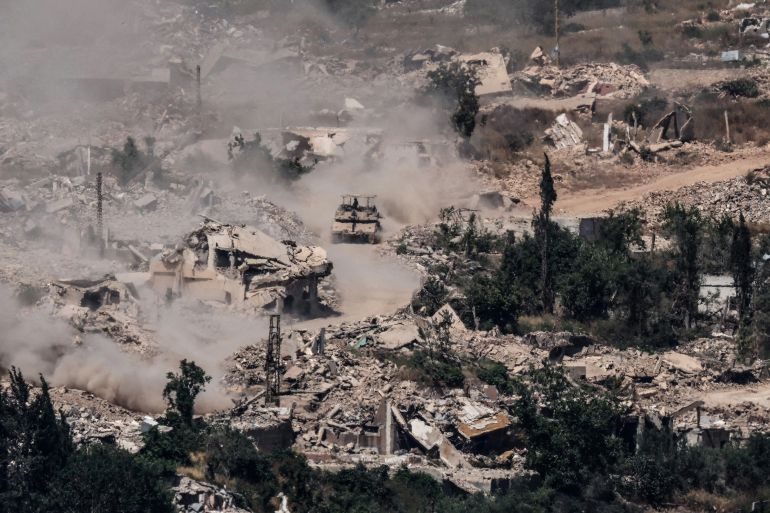
In a bold move that could redefine Israel's global standing, former prime ministers Naftali Bennett and Yair Lapid have joined forces to challenge the long-standing rule of Prime Minister Benjamin Netanyahu. Announcing their new party, 'Together', they are gearing up for elections due by the end of October. The stakes are high as Israel faces unprecedented international isolation, particularly following the devastating 2023 conflict in Gaza that resulted in over 72,000 Palestinian lives lost. This shocking figure has cast a dark shadow over Israel's reputation on the global stage.
Bennett and Lapid, who once led the country separately, now stand united with a vision of restoring Israel's image abroad. Despite their alliance, they share a troubling continuity with Netanyahu's aggressive military policies, particularly towards Palestinians. "We need to bring professionals back into leadership; we need an era of correction," Bennett stated, positioning himself as a voice of change. However, the reality remains complex, as both leaders have yet to denounce the very policies that have alienated Israel from key international allies.
Israel's current predicament did not emerge overnight. Decades of conflict, particularly the recent escalation in Gaza, have intensified scrutiny and criticism from around the world. A recent UN commission has accused Israel of committing genocide, further exacerbating tensions and calls for accountability. Countries in Europe, like Spain and Norway, have openly condemned Israel's actions, and discussions within the European Union about potentially suspending trade agreements are gaining traction. The historical context of violence and international law violations is now shaping a narrative that threatens Israel's diplomatic relations.
The consequences of this growing isolation are profound, affecting not just Israel's standing but its security and economic prospects. Polls indicate a shift in public opinion across the United States, where both Democrats and Republicans express increasing dissatisfaction with Israeli policies. Experts warn that Netanyahu's ongoing conflicts, coupled with his indictment for war crimes by the International Criminal Court, could lead to a significant decline in support from Israel's closest allies. As Beth Oppenheim from the European Council on Foreign Relations pointed out, "Israel is becoming more isolated," highlighting the urgent need for a new approach to governance and diplomacy.
As the October elections draw near, all eyes will be on Bennett and Lapid. Will their partnership succeed in capturing the hearts of the Israeli electorate and repairing the nation's tarnished global image? The coming months will reveal whether their vision can translate into meaningful change or if Israel will continue its path of isolation. The question remains: Can this new alliance turn the tide for Israel on the international stage or will the policies of the past continue to haunt them?



0 Comments
No comments yet. Be the first to share your thoughts.
Leave a Comment