
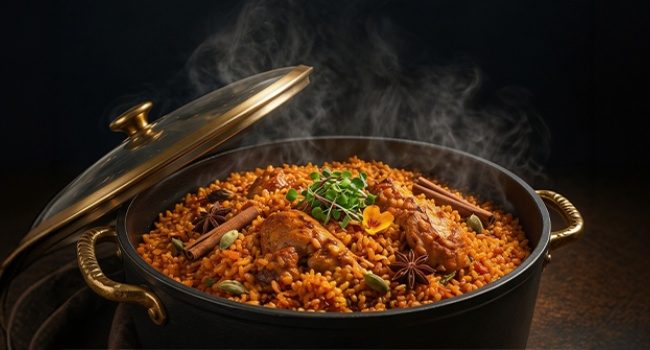
In a shocking revelation, the cost of a pot of jollof rice in Nigeria skyrocketed to ₦30,435 in early 2026, marking a grim milestone in the nation’s battle against inflation. This staple dish, a beloved cultural symbol, now represents the severe economic strain faced by countless families. The dramatic rise reflects a broader crisis that has been years in the making, rooted in disastrous policies and global events affecting food prices across the country. The economic landscape has changed drastically, and for many, the dream of affordable meals is slipping away.
Since 2016, SBM Intelligence has meticulously tracked the price of jollof rice across various markets, revealing a disturbing trend. In April 2020, at the height of COVID-19 lockdowns, a pot cost just ₦7,590. However, the pandemic's impact on supply chains, combined with the land border closures initiated in August 2019 to combat rice smuggling, drastically altered the food pricing dynamics. By early 2022, the cost had already escalated to ₦8,595 due to rising diesel prices, fuel scarcity, and growing insecurity in agricultural areas, hinting at the economic storm brewing.
The year 2023 emerged as a watershed moment, dubbed the 'Year of Shocks.' In March, following the naira redesign and fuel shortages, the price surged to ₦10,882. The government’s decision to eliminate fuel subsidies and unify the exchange rate further exacerbated the situation, pushing the average cost to ₦12,373 by June. The fallout from these decisions rippled through the economy, inflating the costs of imported food items, leading to relentless increases in jollof rice prices that continued to climb, reaching ₦13,106 by September.
As the crisis deepened, the consequences extended beyond mere numbers. Families struggled to put food on the table, with many resorting to drastic measures to cope with soaring prices. Experts warn that this inflationary trend poses serious risks to Nigeria's social stability, as hunger looms over millions. Officials have expressed deep concern, emphasizing the urgent need for effective economic policies to reverse the tide. The situation is dire for agricultural producers and consumers alike, with the ramifications echoing throughout Nigeria and potentially affecting neighboring countries.
Looking ahead, the outlook remains grim. Analysts predict that unless comprehensive reforms are enacted, the price of jollof rice—and by extension, food security in Nigeria—will continue to worsen. As the country grapples with external shocks like the ongoing Iran War and internal challenges, citizens should brace themselves for further economic turbulence. Monitoring food prices will be critical in the coming months, as these indicators could signal the broader health of Nigeria's economy and the well-being of its people.





0 Comments
No comments yet. Be the first to share your thoughts.
Leave a Comment