
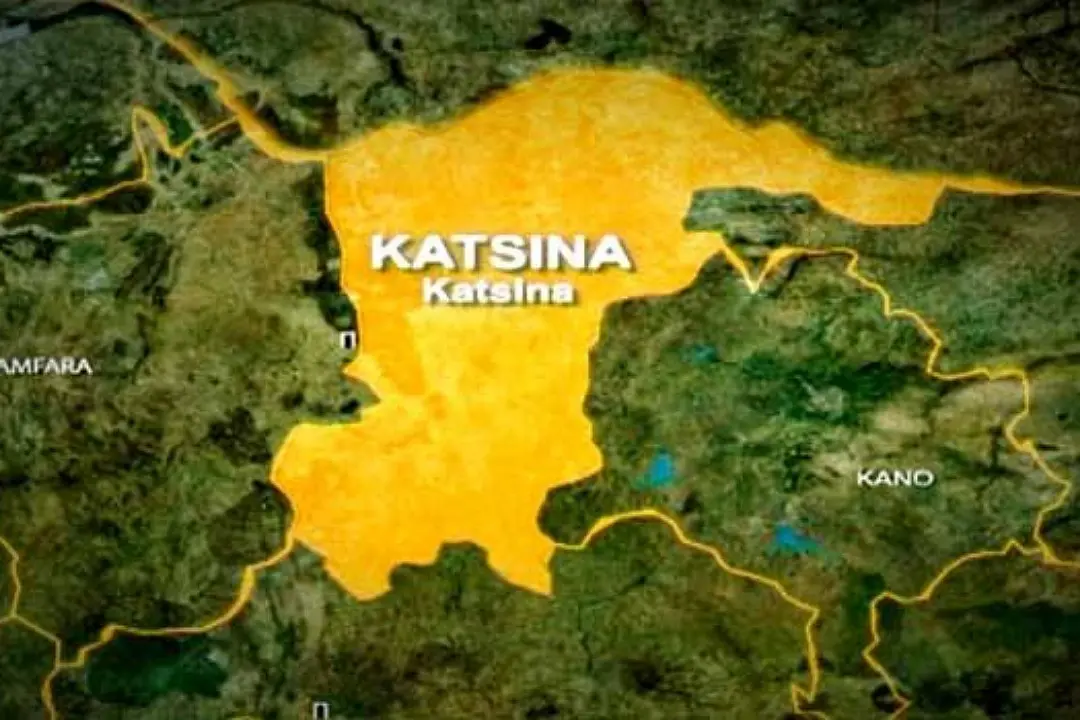
In a stark warning, Rev. Daniel Barau, Senior Reverend of ECWA in Katsina State, has revealed that ongoing banditry has led to the closure of at least 10 churches across various communities. This alarming situation has unfolded in Kankia, Musawa, Kankara, and Malumfashi Local Government Areas, where residents live in constant fear of armed attacks. "As I speak to you, there is hardly a day that passes without bandits launching an attack—be it morning, noon, or night," Barau lamented, emphasizing the severity of the crisis gripping these areas.
The gravity of the situation is underscored by Barau’s revelations regarding the impact of these attacks on local communities. He reported that over the past two weeks, more than 20 individuals have lost their lives due to the violence, with bandits routinely abducting residents, robbing homes, and imposing hefty levies on farmers. In a shocking claim, Barau stated that communities like Mazoji (B) Ward have been coerced into paying N30 million, while others like Maruji, Dan Ali, and Ilali face demands of N10 million each to access their farmlands. "This is not just a security issue; it's a humanitarian crisis," he declared, calling attention to the urgent need for intervention.
Historically, Katsina State has struggled with insecurity, but the recent escalation of banditry has reached unprecedented levels. For years, armed groups have targeted rural communities, exploiting the lack of effective security measures. This latest wave of violence reflects a broader trend of instability affecting not just Katsina but various regions across Nigeria. As banditry becomes more organized and brazen, community leaders like Barau find themselves at a loss, desperately seeking help from government authorities.
The ramifications of this turmoil extend far beyond the immediate danger. With churches being forced to close, the spiritual and communal fabric of these areas is unraveling. Residents are fleeing, and worship activities have halted, leading to a sense of despair and loss among Christian communities. "If nothing is done soon, more communities will be displaced, and the fabric of our society will continue to fray," Barau warned. The clergy's appeal for increased government intervention resonates deeply, as the livelihoods of many are now hanging by a thread.
Looking ahead, the situation demands urgent attention from both the Federal and Katsina State governments. Rev. Barau has called for enhanced security measures and humanitarian aid to support those impacted by the violence. Observers will be watching closely to see how officials respond to this crisis, as the potential for further displacement and disruption looms large. The plea for action is not just a call for immediate relief; it is a rallying cry for the preservation of community and faith in a time of unprecedented adversity.





0 Comments
No comments yet. Be the first to share your thoughts.
Leave a Comment