

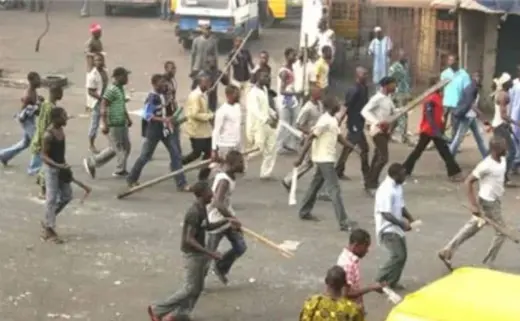
In a shocking turn of events, rioters torched hospital tents in Rwampara, a key area battling a deadly Ebola outbreak in the northeastern Ituri province of the Democratic Republic of Congo. On May 21, 2026, the unrest erupted after the death of a 24-year-old man, igniting an already volatile situation. Families, overwhelmed with grief and anger, clashed with medical staff who refused to release the body for burial, fearing further spread of the virus. The military rushed in to restore order, but the flames consumed the tents, leaving only charred remnants in their wake.
The situation intensified when military personnel were deployed to secure funerals amidst rising tensions. "The family wanted us to hand over his body so that they can bury him, but given the circumstances, that’s impossible," explained a hospital official. The chaos reflects deep-rooted distrust in a region already fraught with conflict, as health officials struggle to manage the latest Ebola outbreak which has claimed over 177 lives according to the World Health Organization. Compounding the crisis, many rural residents remain skeptical about the virus’s existence, complicating containment efforts even further.
Historically, the Democratic Republic of Congo has been plagued by multiple Ebola outbreaks, with the current incident marking the 17th in the country. This outbreak's Bundibugyo strain poses significant challenges, as there is neither a vaccine nor a definitive treatment available. The government’s response has relied heavily on preventive measures, such as contact tracing and strict burial protocols. However, traditional mourning practices involving close contact with the deceased persist, leading to higher risks of contamination, as civil society leader Jean Marie Ezadri noted.
The consequences of this outbreak ripple far beyond the hospital walls. Families are torn between grief and disbelief, with many rejecting the official narrative. "My brother is not dead from Ebola, it’s an imaginary disease," lamented 22-year-old Jeremie Arwampara, echoing sentiments of many in the community. This skepticism fuels further unrest, leading to violent clashes with authorities when bodies are withheld. The riot left one nurse injured, highlighting the precarious situation healthcare workers face as they don protective gear to handle deceased patients amidst public fury.
Looking ahead, the situation remains dire as health officials brace for more unrest following the recent violence. With mistrust high and the community divided, the government must navigate these treacherous waters carefully. Observers should watch for potential re-engagement strategies aimed at rebuilding trust between health authorities and the public, as well as ongoing efforts to enforce Ebola containment measures in the face of mounting resistance.



0 Comments
No comments yet. Be the first to share your thoughts.
Leave a Comment