

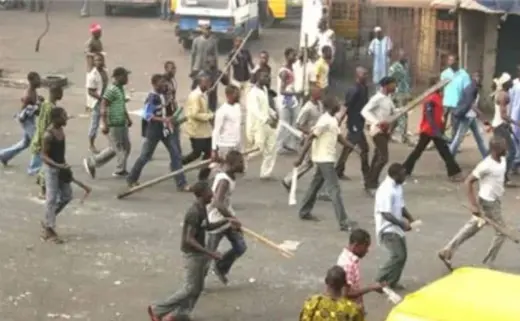
In a shocking turn of events, the streets of Northern Nigeria are witnessing an unprecedented uprising. The almajiris, once seen as mere beggars, have transformed into a formidable force demanding justice and equity. This revolt, ignited by years of systemic neglect, erupted in early October 2023, as these marginalized individuals took to the streets, armed and ready to reclaim what they believe is rightfully theirs. Their cries for a share of the national wealth resonate from Kaduna to Kano, signaling a seismic shift in the sociopolitical landscape of the region.
The reasons behind this revolt are stark and alarming. A staggering 99.9% of the population in Northern Nigeria has long endured the consequences of extreme poverty, while a mere 0.1% has hoarded the nation’s wealth. In an interview, a local leader stated, "We have been silent for too long, but now we demand our piece of the cake, even if we have to take it by force." The tension has escalated as reports of armed confrontations and violent protests flood in from various states, indicating that this is not just a fleeting moment of anger but a revolution in the making.
Understanding the background of this situation requires delving into Nigeria’s history of inequality and neglect. For decades, the North has been plagued by a lack of educational and economic opportunities. The almajiris, often seen as a product of a failing system, have been left to fend for themselves, with little to no support from the government. Corruption and mismanagement have exacerbated these issues, creating a chasm between the wealthy elite and the impoverished masses. As frustrations boiled over, the almajiris became the face of this revolution, challenging the status quo that has perpetuated their suffering.
The impact of this uprising is profound, affecting not only the immediate communities but the entire nation. As violence spreads, local businesses shutter, schools close, and fear grips the heart of the North. Officials are scrambling to respond, but the government’s past inaction has eroded trust. A prominent sociologist commented, "This is a wake-up call for the ruling class; they can no longer ignore the cries of the masses." The implications are vast, as this revolt could inspire similar movements across Nigeria and potentially reshape the political landscape in a country already struggling with governance.
Looking ahead, the situation remains fluid and unpredictable. Observers are closely monitoring the actions of the government, which may attempt to quell the unrest through force or dialogue. However, the almajiris have shown that they are no longer willing to accept crumbs from the table. As the nation watches, one thing is clear: the dynamics of power in Nigeria are shifting, and the voices of the voiceless are finally being heard.




0 Comments
No comments yet. Be the first to share your thoughts.
Leave a Comment