
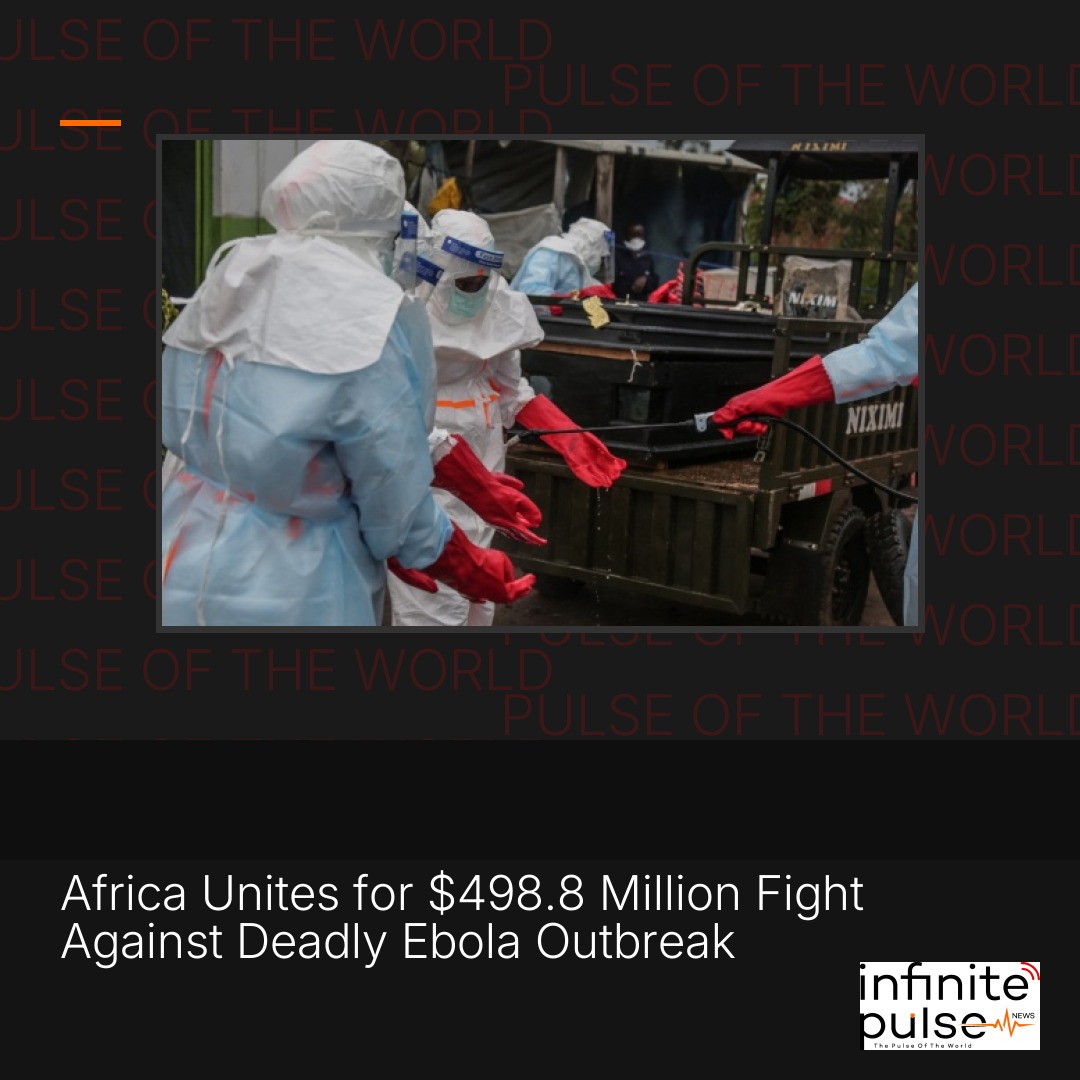
Africa stands at a critical juncture as nearly $498.8 million in pledges flood in to combat the ongoing Bundibugyo Ebola Virus outbreak. This alarming development was announced by Jean Kaseya, Director General of the Africa Centres for Disease Control and Prevention, on May 26, 2026. With the virus spreading in affected and high-risk nations, Kaseya emphasized the urgent need for coordinated efforts among governments and development partners. "Today, during the High-Level Ministerial Meeting, we united to announce nearly half a billion in commitments to enhance our response capabilities across the continent," he stated, framing this as a powerful display of African solidarity in the face of a formidable health threat.
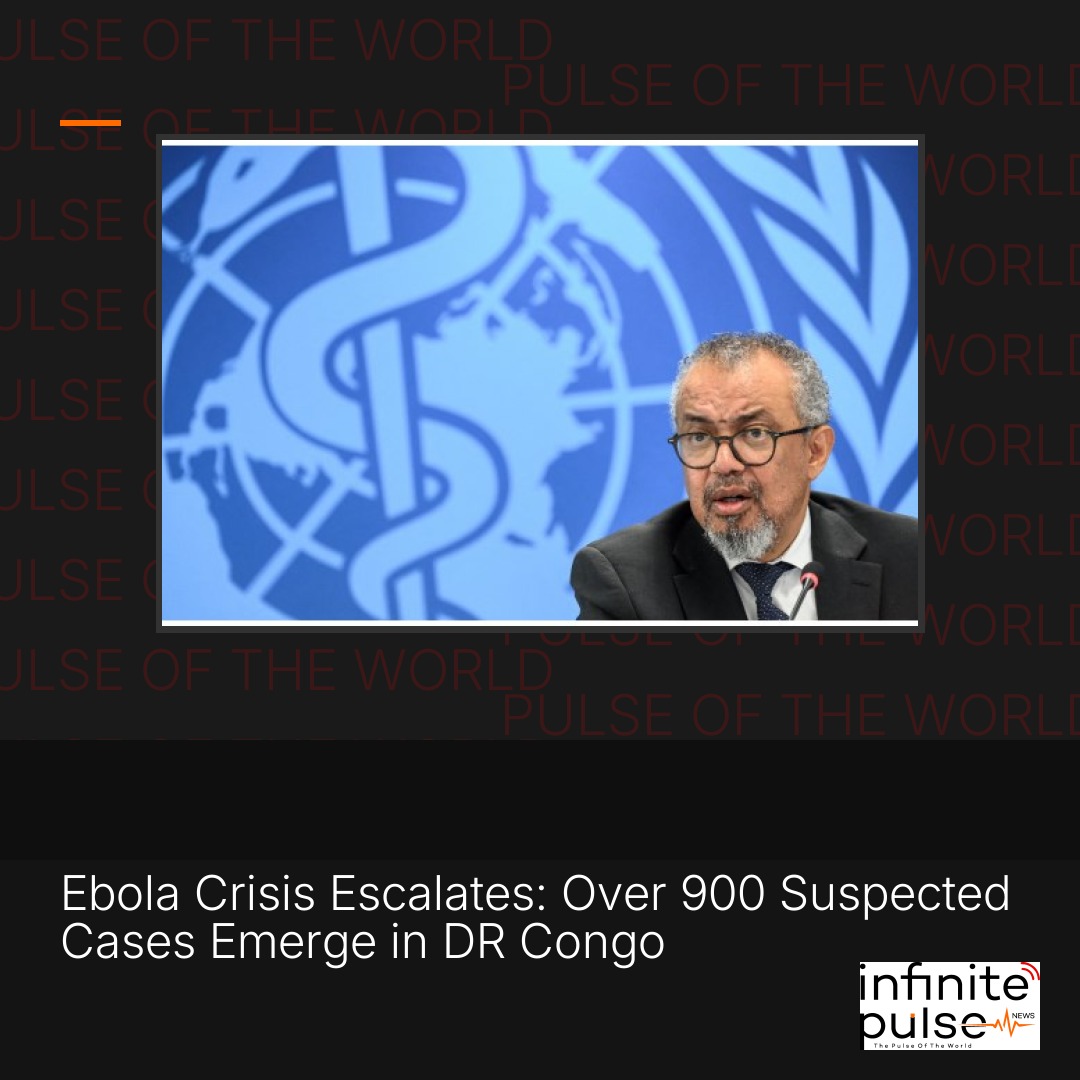
Kaseya's announcement occurs against a backdrop of escalating crisis, as the death toll related to the Bundibugyo Ebola Virus has tragically reached 220. The WHO's director-general, Tedros Adhanom Ghebreyesus, warned that the epidemic is currently outpacing global response efforts, stating, "At the moment, the epidemic is outpacing us." The Bundibugyo strain, notorious for its rarity and high fatality rate, lacks an approved vaccine or targeted treatment, making the situation even more dire. The commitment to funding is critical as health officials scramble to implement effective strategies to halt the virus's advance.
The Bundibugyo Ebola strain first emerged in Uganda in 2007, with subsequent outbreaks recorded in the Democratic Republic of Congo in 2012. While the more prevalent Zaire strain has a range of vaccines and treatments available, the Bundibugyo variant has only been linked to a couple of outbreaks thus far. This historical context underscores the urgency of the current response, as the continent grapples with a virus that is both deadly and poorly understood. With funding now secured, health authorities are mobilizing resources rapidly to counteract the spread.
The ramifications of this outbreak are profound, affecting not just health systems but also communities at large. Families mourn lost loved ones, while healthcare workers face immense pressure to contain the virus. Experts and officials alike stress the importance of trust and coordination in the response efforts. As Kaseya noted, "Trust, coordination, and rapid response efforts are critical to stopping transmission and saving lives." The commitment from nations and organizations reflects a collective responsibility that resonates across Africa, and beyond.
Looking ahead, observers should anticipate increased resource allocation and more aggressive containment strategies as the pledged funds begin to flow. The international community is also poised to monitor the situation closely, with the UN contributing an additional $60 million from its emergency fund. As the situation evolves, the urgency to protect health security in Africa remains paramount, with lives hanging in the balance. The world watches as African nations rally together to combat this unprecedented health challenge.



0 Comments
No comments yet. Be the first to share your thoughts.
Leave a Comment