
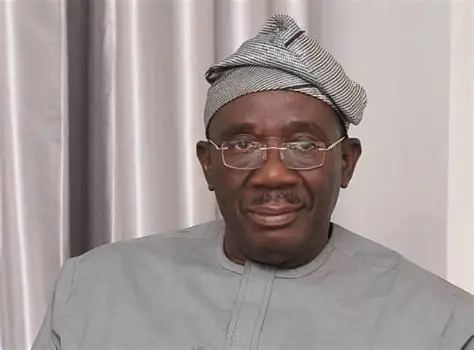
OSOGBO, NIGERIA — Following widespread public backlash over recent campaign comments, Senator Francis Fadahunsi, representing Osun East Senatorial District, has clarified his statement regarding the rival Accord Party, maintaining that his call to "kill Accord" was purely political rhetoric aimed at electoral defeat, not physical violence. Speaking through a official statement released by his media office, the lawmaker addressed growing concerns among civil society organizations, political analysts, and members of the public who raised alarms over the potentially inciting nature of the phrase.
Context of the Controversy
The controversy stems from an address delivered during a political rally in Osun State, where Senator Fadahunsi urged supporters of his party to "kill Accord" ahead of the upcoming elections. In a political climate often sensitive to election-related tensions, the phrase immediately sparked criticism from political rivals and election watchdogs, who argued that aggressive terminology could inflame political violence among overzealous party loyalists.
Responding to the allegations, Fadahunsi pushed back against what he described as deliberate misinterpretation by political opponents seeking to distract the electorate from core governance issues.
"In political parlance, language can be intense, but my intent has always been clear to anyone tracking our democratic journey. When I spoke of 'killing' the opposition party at the polls, it was an explicit call to outvote them convincingly through the ballot box—not through any form of physical harm or violence," the statement read.
Clarification and Commitment to Peace
The Senator emphasized his long-standing track record in public service, noting that his political philosophy rests on democratic engagement, community development, and peaceful mobilization. He urged political actors across Osun State and the country at large to exercise restraint in their messaging while reassuring citizens that his campaign remains anchored on policy debates rather than intimidation.
Political observers note that while figurative language like "crushing," "burying," or "killing" political opposition is common in campaign speeches, politicians face heightened scrutiny to ensure their rhetoric does not inadvertently translate into real-world conflict.
Fadahunsi concluded his statement by calling on voters to turn out en masse during election day, reiterating that the ultimate power to determine the fate of any political party rests solely in the hands of the electorate at the voting booths.





1 Comment
Leave a Comment