

The Middle East conflict is casting a dark shadow over the global economy, with severe repercussions anticipated if a ceasefire is not reached soon. According to the Organisation for Economic Co-operation and Development (OECD), global growth forecasts for 2026 have been slashed to a mere 2.8 percent, significantly down from the previous estimate of 2.9 percent. The OECD's alarming warning came on Wednesday, highlighting that if the turmoil continues into next year, growth may plummet to just 2.1 percent—well below the average growth rate of 3.4 percent recorded from 2013 to 2019. The ramifications of this ongoing war are not just numbers; they affect the livelihoods of millions around the world.
In releasing its quarterly economic update, the OECD cautioned that the longer the Middle East conflict persists, the greater the economic and social ramifications will be. Chief economist Stefano Scarpetta emphasized that many nations face the looming threat of recession. “The longer the disruptions last, the larger the economic and social costs become,” he stated. The report also pointed out that diminished investment spending, particularly in energy-intensive sectors like artificial intelligence, could lead to rising unemployment levels, exacerbating the crisis.
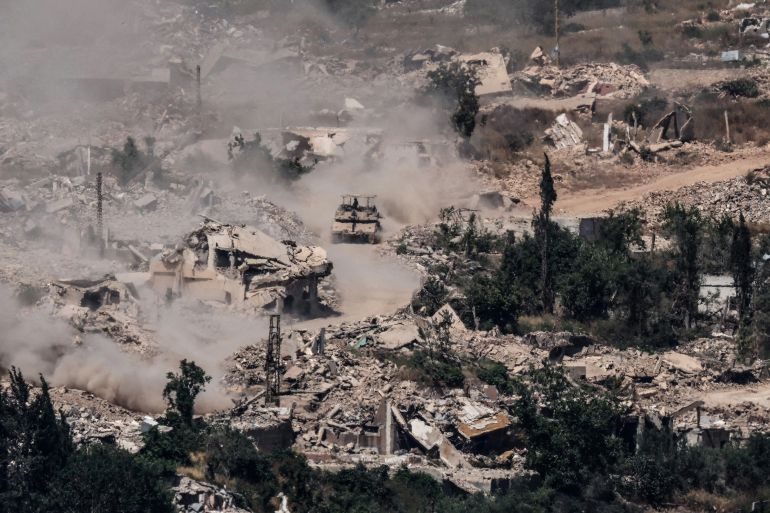
Historically, this conflict escalated following US and Israeli military actions against Iran in late February. These developments have triggered a wave of instability that has reverberated across global markets, sending energy prices soaring and straining economies already battered by the Covid-19 pandemic. The OECD's forecast reflects the deepening economic malaise that many experts fear could lead to long-term consequences if not addressed swiftly.
The impact of this turmoil reaches far beyond the Middle East, affecting developing nations disproportionately. Higher energy and food prices will hit households in these countries hardest, where costs account for a significant portion of their budgets. If the war persists, inflation rates are projected to rise to 4 percent this year from 3.4 percent in 2025, further straining already vulnerable economies. Meanwhile, in the United States, growth is expected to decelerate to 2 percent this year, with projections dropping to 1.8 percent in 2027. In the eurozone, where many countries heavily depend on energy imports, GDP growth could fall to a troubling 0.8 percent this year.
As the world watches this crisis unfold, the OECD's report serves as a stark reminder of the urgent need for diplomatic solutions. Observers should keep an eye on developments regarding a ceasefire in the Middle East, as the global economy hangs in the balance. The situation is fluid, and the stakes are high; the potential fallout could reshape economic landscapes worldwide for years to come.



0 Comments
No comments yet. Be the first to share your thoughts.
Leave a Comment