
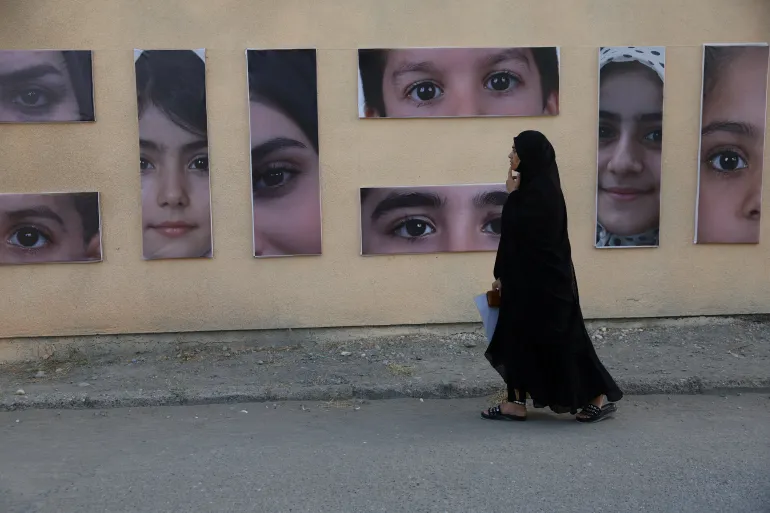
In a dramatic turn of events, Iran is grappling with stalled negotiations with the United States as the 85th day of conflict passes. On May 23, 2026, Pakistani Army Chief Field Marshal Asim Munir landed in Tehran, signaling an escalation in mediation efforts aimed at brokering a peace deal. However, Iranian officials are cautioning that hopes for a swift resolution are dim, emphasizing the deep and significant gaps still present in discussions with Washington. The backdrop of this diplomatic tension is a growing humanitarian crisis, with public anger intensifying in response to Israel's treatment of Gaza aid activists.
The mediation efforts are becoming increasingly crucial as regional powers seek to avert a broader conflict. Field Marshal Munir's arrival in Tehran comes at a time when Iranian officials are echoing concerns over the US’s ongoing military presence and actions in the region. As Iran's Foreign Ministry spokesperson articulated, the obstacles to an agreement are substantial, which raises questions about the feasibility of any peace proposal in the near future. The situation remains precarious, as at least 15 detainees from the Global Sumud Flotilla reported alarming incidents of sexual assault during their seizure by Israeli forces, further complicating the atmosphere surrounding the ongoing conflict.
This chapter in Iran's tumultuous relationship with the US stems from escalating tensions, particularly surrounding nuclear negotiations and military confrontations. The backdrop includes decades of hostility, fluctuating power dynamics, and a series of conflicts that have underscored the fraught nature of US-Iran relations. As Iran has asserted its right to peaceful nuclear energy, the stakes have only grown higher, with both sides wary of miscalculations that could lead to war. The current diplomatic efforts represent a critical juncture, as officials on both sides assess the repercussions of failure in negotiations.
The ramifications of this stalled dialogue reverberate far beyond Iran and the US. A failure to reach an agreement threatens to exacerbate regional instability, impacting not only Iran but also its neighbors and the broader geopolitical landscape. Officials and experts are voicing concerns about the humanitarian toll, with protests erupting over Israel's harsh treatment of activists, painting a bleak picture of the state of human rights in the region. The international community is watching closely, with calls for accountability becoming louder amid allegations of misconduct against Israeli forces.
Looking forward, observers need to pay attention to the evolving diplomatic landscape. The presence of Pakistani officials in Tehran may signal a potential shift in the mediation dynamics, but the reality remains that significant hurdles stand in the way of peace. As the clock ticks, both nations face increasing pressure to find common ground, and the world watches, waiting to see if the tides will turn in favor of diplomacy or if conflict will reignite.



0 Comments
No comments yet. Be the first to share your thoughts.
Leave a Comment