
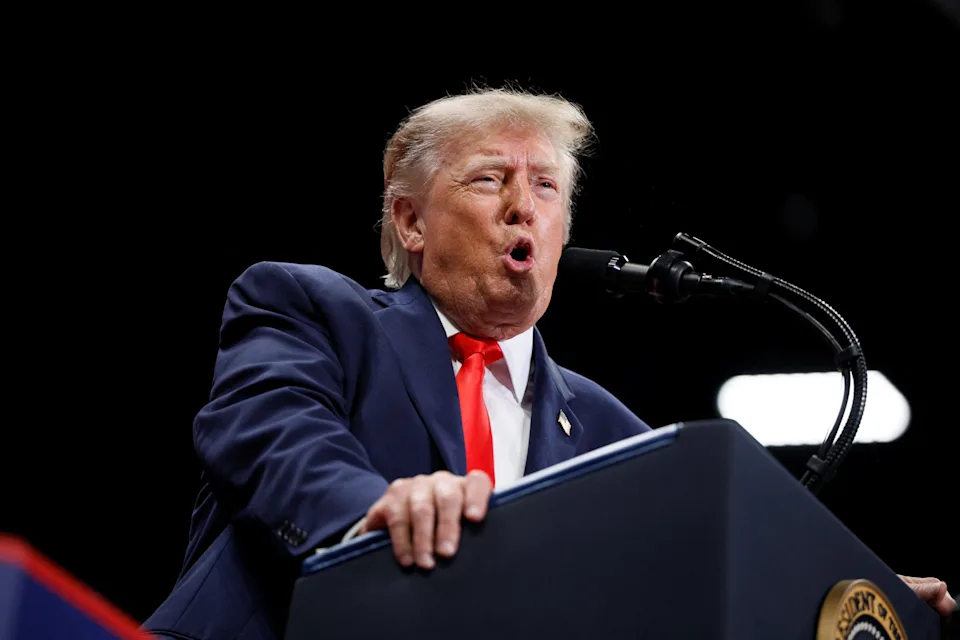
US President Donald Trump’s political movement, known as Make America Great Again (MAGA), is facing growing internal divisions following the Republican Party’s disappointing performance in the 2026 midterm elections.
The electoral setback has reportedly triggered dissatisfaction among some of Trump's most loyal supporters, with questions emerging over his leadership, political strategy and the future direction of the movement.
According to a Reuters report published on Sunday, November 8, 2026, some members of Trump's political base are increasingly blaming the president, his advisers and Republican leaders for the party's poor electoral performance.
The report identified rising fuel prices, the conflict involving Iran, concerns about corruption and dissatisfaction with the administration's handling of key campaign promises as some of the issues contributing to frustration among Republican supporters.
A 59-year-old businessman and three-time Trump voter, Michael Little, expressed his disappointment with the president's political leadership.
"People are pissed off at Trump. Trump has cost us," he told Reuters.
The report further highlighted growing disagreements within the MAGA movement, with some supporters questioning whether Trump remains the right person to lead the political movement he helped build.
An analysis of discussions among MAGA supporters reportedly found that more than 20 per cent of those sampled expressed doubts about the movement's leadership or future direction. About half of those questioning its direction reportedly continued to support MAGA but were less convinced that Trump should remain its leader.
The divisions have also exposed competing positions among influential conservative figures over the movement's future. While former Trump adviser Steve Bannon has advocated a stronger return to populist and nationalist principles, others believe MAGA needs to become less dependent on Trump's personality and political leadership.
Despite the growing criticism, Trump has shown little indication of changing his political direction. His appointment of Stephen Miller, a prominent figure in his administration's hardline immigration policies, as White House Chief of Staff has also reinforced concerns about the direction of his leadership among critics.
The Republican Party's electoral setback has consequently raised questions about Trump's influence over the party, the future of the MAGA movement and who could emerge as its potential leader ahead of the 2028 presidential election.
For a political movement that has significantly shaped Republican politics over the past decade, the latest developments could signal the beginning of a major internal struggle over its identity, leadership and political future.





0 Comments
No comments yet. Be the first to share your thoughts.
Leave a Comment