
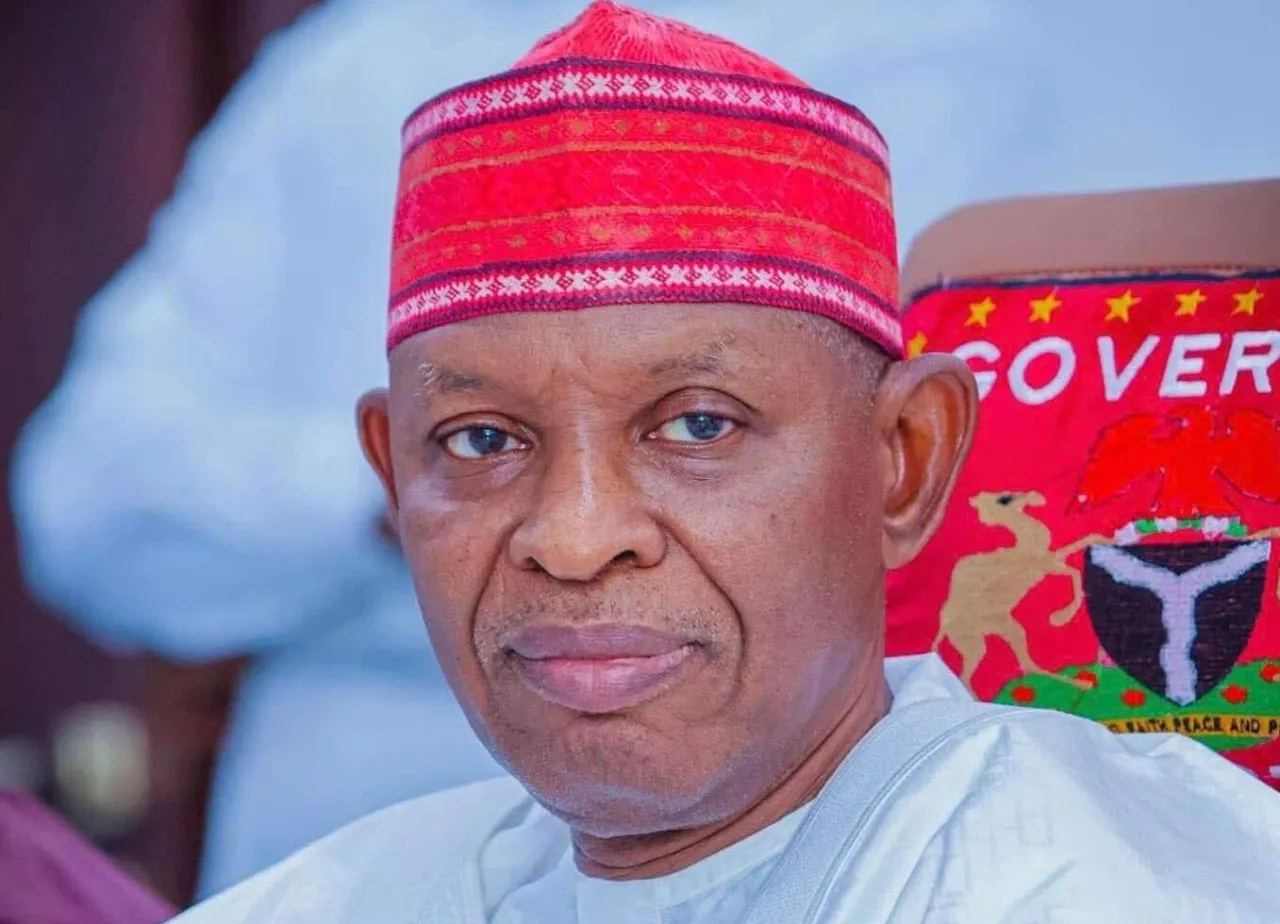
The Kano State Government has proposed allocating approximately ₦332 billion to the education sector in its 2027 budget, making it the largest allocation among the state's proposed spending priorities.
Governor Abba Kabir Yusuf presented the proposed ₦1.107 trillion budget to the Kano State House of Assembly on Wednesday, November 11, 2026.
The proposed education allocation represents approximately 30 per cent of the total budget and reflects the administration's stated commitment to improving educational standards, expanding access to learning and strengthening human capital development.
Speaking during the budget presentation, Governor Yusuf highlighted several interventions undertaken by his administration to improve the state's education sector.
He disclosed that the government recruited 8,588 teachers in 2026, comprising 4,900 permanent teachers and 3,688 teachers under the Better Education Service Delivery for All (BESDA) programme.
The governor also revealed that the state paid examination fees for more than 150,000 students sitting for examinations conducted by the National Examinations Council (NECO), National Board for Arabic and Islamic Studies (NBAIS) and National Business and Technical Examinations Board (NABTEB).
Other interventions highlighted include the settlement of outstanding boarding school feeding obligations, rehabilitation of educational facilities and support for students participating in the Joint Admissions and Matriculation Board (JAMB) examinations.
Yusuf further stated that Kano maintained its leading position on the 2026 NECO performance chart for the second consecutive year.
He assured residents that his administration would sustain investments in teacher development, school infrastructure, instructional materials and digital learning facilities.
The proposed ₦1.107 trillion budget, tagged Budget of Consolidating Gains and Accelerated Rural Development, also prioritises infrastructure, healthcare, agriculture, water supply and rural development.
The budget proposal will undergo legislative scrutiny by the Kano State House of Assembly before its eventual passage.

0 Comments
No comments yet. Be the first to share your thoughts.
Leave a Comment