
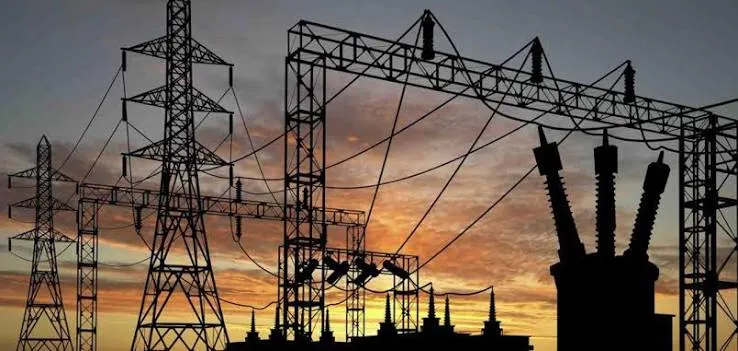
ABUJA, NIGERIA — Nigeria’s electricity supply suffered a dramatic decline on Monday after power generation plunged by 81.5 per cent to 675 megawatts (MW), raising fresh concerns over the reliability of the country’s electricity infrastructure.
Data reported by Vanguard, citing the Nigerian Independent System Operator (NISO), showed that electricity supplied to the national grid fell from 3,647MW at noon on October 19 to just 675MW by 1pm.
The sharp drop represented a loss of 2,972MW within one hour, while the number of power plants supplying electricity to the grid declined from 21 to 12.
Among the generating stations reported to have gone offline were Azura, Egbin, Jebba and Kainji hydroelectric power plants.
The disruption prompted electricity distribution companies to alert customers to reduced power supply as the volume of electricity available for distribution fell sharply.
However, NISO subsequently clarified that the incident was not a total nationwide grid collapse and announced that normal operations had been restored.
Generation Falls From Morning Peak
The decline followed comparatively stronger electricity generation earlier in the day.
According to the reported figures, the national grid recorded 4,331MW at 1am and peaked at 4,458MW by 6am before generation fell to 3,647MW at noon.
By 1pm, the figure had dropped to 675MW, leaving electricity distributors with substantially less power to allocate to consumers.
The sudden reduction highlighted the vulnerability of electricity supply to disturbances affecting generating plants and the transmission network.
Although the reported figure represented a severe short-term decline, it was a snapshot of the grid’s performance during the incident and did not mean that electricity generation remained at 675MW throughout the day.
By 5pm on Monday, supply had recovered to approximately 2,150MW, an increase of 1,475MW from the 1pm low, although output remained below the morning peak.
AEDC, Ikeja Electric Warn Customers
The disruption affected electricity distribution companies, which rely on power transmitted through the national grid to supply homes, businesses and public institutions.
The Abuja Electricity Distribution Company (AEDC) notified customers that electricity supply from the Transmission Company of Nigeria (TCN) had been interrupted by a grid-related challenge.
The company said technical teams were working to restore stability and that supply was gradually returning to its feeders.
AEDC also apologised to customers for the inconvenience caused by the disruption.
Ikeja Electric similarly attributed reduced supply across its network to a shortfall in the electricity allocated to it from the national grid.
The distribution company said it was engaging relevant stakeholders to improve available supply and would distribute the electricity received as efficiently and equitably as possible.
The notices underscored how a major disturbance in the national power system can quickly affect consumers across different distribution networks.
NISO Explains What Happened
In its account of the incident, NISO said multiple trippings occurred on sections of the 330-kilovolt transmission network at approximately 12:40pm on October 19.
The system operator said it immediately implemented corrective measures in collaboration with TCN to stabilise the power system and restore normal operations.
NISO subsequently announced that restoration efforts had been completed.
The operator also clarified that the disturbance affected only a section of the grid, rejecting descriptions of the incident as a total nationwide collapse.
The distinction is important: although the reported fall in available generation was severe, NISO’s account indicated that the incident involved a disruption affecting part of the transmission network rather than a complete collapse of the entire national system.
The specific technical sequence that caused the individual generating plants to go offline was not fully detailed in the reports reviewed.
Fresh Questions Over Nigeria’s Electricity Reliability
The latest disruption has renewed concerns about the ability of Nigeria’s power infrastructure to deliver consistent electricity to households and businesses.
Power interruptions can force businesses to rely on petrol or diesel generators, increasing operating expenses for manufacturers, retailers, hospitality businesses and small enterprises.
Households may also face additional costs when unreliable public electricity forces them to use alternative power sources.
For businesses that depend on stable electricity for production, refrigeration, digital services and daily operations, sudden supply reductions can disrupt schedules and increase costs.
The latest incident also highlights the importance of maintaining generating facilities, strengthening transmission infrastructure and improving the monitoring systems used to identify and respond to faults.
While NISO said the grid had returned to normal operation following Monday’s incident, the sharp decline in generation demonstrated how quickly available supply can change when multiple parts of the electricity system are affected.
Grid Restored, but Consumers Still Await Stable Supply
Although electricity supply recovered after the disruption, the episode has again drawn attention to the gap between Nigeria’s electricity needs and the reliability of the power delivered to consumers.
The immediate priority following the incident was to stabilise the affected network and restore supply through distribution feeders.
Longer-term improvements will depend on the reliability of generation, the condition of transmission infrastructure and the ability of system operators to prevent localised faults from triggering wider disruptions.
For consumers, the central concern remains whether such incidents can be reduced and electricity supply made more predictable.
Bottom line: Nigeria’s grid supply fell by 81.5 per cent to 675MW on Monday, October 19, after the number of plants supplying the system dropped from 21 to 12. Distribution companies warned customers of reduced supply, but NISO later said the disruption had been addressed and normal grid operations restored.

0 Comments
No comments yet. Be the first to share your thoughts.
Leave a Comment