
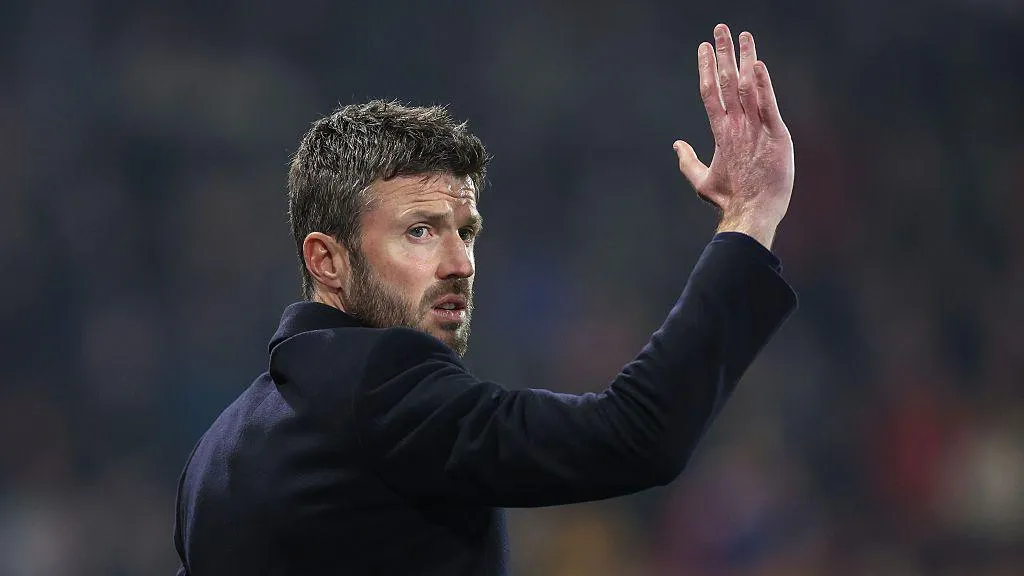
Manchester United have parted ways with Michael Carrick following a disastrous start to the 2026/2027 season, bringing another chapter of managerial instability at Old Trafford to an end.
The decision, announced on Thursday, November 12, 2026, comes after a disappointing run of results that has left the English giants struggling in the Premier League relegation zone.
Carrick's departure follows mounting pressure over the team's poor performances, which have raised serious questions about his ability to restore Manchester United to their former glory.
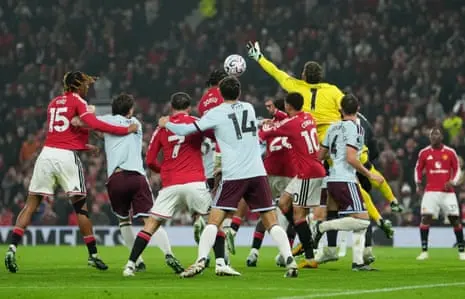
The club's struggles became increasingly difficult to ignore after a frustrating 4-4 draw against Aston Villa, a result that further exposed United's defensive weaknesses and inability to maintain consistency.
With just eight points from their opening 10 league matches, United reportedly found themselves sitting 18th in the Premier League table, an embarrassing position for a club of their financial strength and historical pedigree.
Carrick had initially enjoyed optimism following his appointment as permanent head coach in May, having impressed during his earlier spell as interim manager. However, that early promise quickly faded as the team struggled to deliver convincing performances.
The club's leadership, including chief executive Omar Berrada and director of football Jason Wilcox, reportedly held discussions with co-owner Sir Jim Ratcliffe before the decision to part ways with the former United midfielder was reached.
Meanwhile, Argentine manager Mauricio Pochettino has emerged as the leading candidate to take over at Old Trafford.
Reports indicate that Pochettino has reached a verbal agreement in principle with Manchester United, although formal arrangements are still required because of his existing contract as head coach of the United States national team.
His potential arrival is expected to usher in another attempt to rebuild a Manchester United side that has struggled to rediscover its identity and competitive edge.
Carrick's departure represents another managerial setback for the club, whose repeated attempts to restore its former dominance have continued to generate disappointment among supporters.
For a club with such a rich history and enormous financial resources, the latest managerial change raises fresh questions about its leadership, recruitment strategy and long-term football direction.
At Old Trafford, the managerial hot seat has claimed another victim, while supporters are left wondering how many more coaches must come and go before Manchester United finally find a lasting solution to their problems.

0 Comments
No comments yet. Be the first to share your thoughts.
Leave a Comment