
A Ugandan-born woman who tested positive for the Ebola virus in Nigeria and was subsequently evacuated to Switzerland for treatment has fully recovered and been discharged from hospital.
The woman was discharged from the Geneva University Hospitals (HUG) on Wednesday, November 11, 2026, after medical personnel confirmed her full recovery.
The hospital confirmed her discharge in a statement, noting that the cantonal physician authorised her release following confirmation by the medical team that she had recovered from the disease.
The woman and her husband, a Swiss diplomat working in Nigeria, were medically evacuated to Switzerland on October 26 after she tested positive for the Bundibugyo strain of Ebola.
She had reportedly returned to Abuja from a two-week holiday in Uganda on October 3 before developing symptoms of the disease. Laboratory tests subsequently confirmed her infection on October 20.
Her husband, who was also evacuated alongside her, did not develop symptoms of the disease. His quarantine was lifted on November 4 after he showed no signs of infection.
Nigeria's Ebola Surveillance Update
Following the confirmed case, the Nigeria Centre for Disease Control and Prevention (NCDC) identified 62 contacts linked to the patient.
As of November 11, 52 contacts had completed the mandatory 21-day monitoring period, while 10 others remained under surveillance.
The NCDC also reported that Nigeria had recorded no additional confirmed Ebola cases or deaths following the imported infection. Seven suspected cases had tested negative.
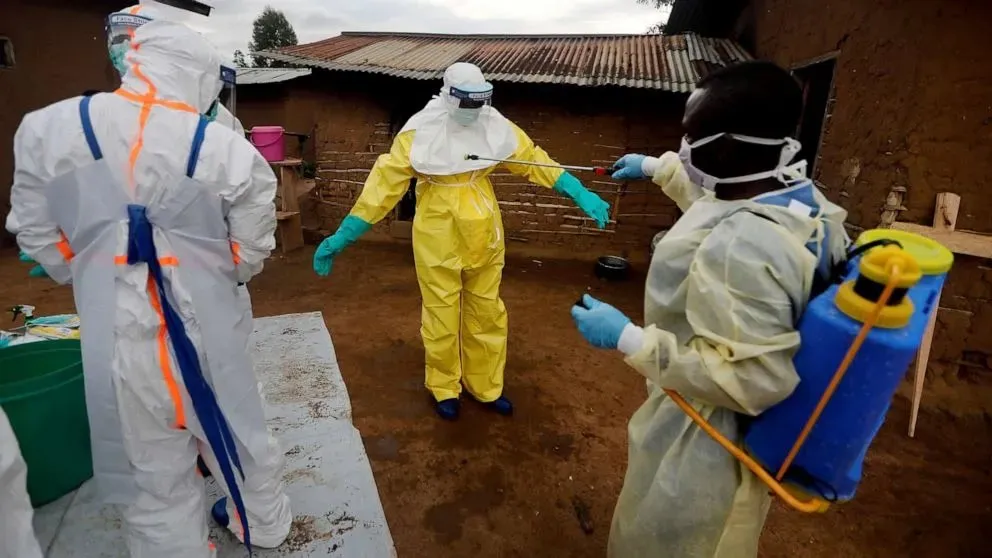
Health authorities have continued contact tracing, laboratory testing, surveillance at points of entry and other public health measures to prevent further transmission.
Wider African Outbreak
The infection involved the Bundibugyo strain of Ebola, a rare variant responsible for an ongoing outbreak affecting parts of Africa.
The outbreak, which was first detected in the Democratic Republic of the Congo (DRC) in May 2026, has spread across East, Central and West Africa.
According to reports, the DRC has recorded more than 11,000 confirmed cases, making the outbreak the second-largest Ebola outbreak on record.
The Bundibugyo strain remains a major public health concern because there are currently no specifically approved vaccines or treatments for the variant.
The Swiss woman's recovery marks a positive development in the response to the outbreak, while Nigerian health authorities continue monitoring identified contacts and strengthening surveillance to prevent further infections.





0 Comments
No comments yet. Be the first to share your thoughts.
Leave a Comment