
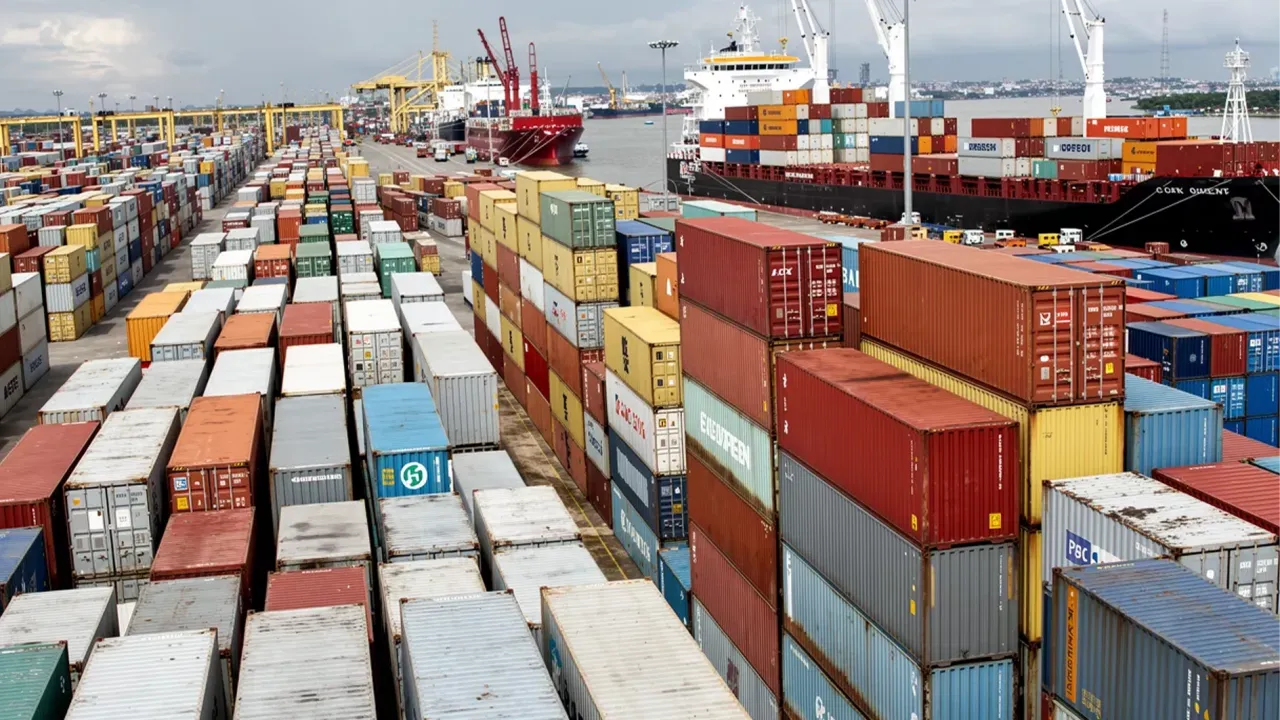
The Nigeria Customs Service (NCS) has commenced the release and evacuation of 98 out of more than 300 containers of electricity transmission equipment that had remained stranded at Nigerian ports for between 14 and 20 years.
The Comptroller-General of Customs, Adewale Adeniyi, announced the development on Friday, November 6, 2026, during the flag-off of the evacuation exercise at Apapa Port, Lagos, alongside the Minister of Power, Joseph Tegbe.
The stranded consignments comprise high-capacity transformers, electrical cables, switchgear and other critical transmission equipment imported for electricity projects through the Federal Ministry of Power and government agencies, including the Transmission Company of Nigeria (TCN) and the Niger Delta Power Holding Company (NDPHC).
Adeniyi explained that the prolonged delay in clearing the equipment was largely linked to accumulated charges and administrative bottlenecks at the ports.
According to him, President Bola Tinubu directed the immediate clearance of the consignments following a presentation by the Minister of Power at the Federal Electricity Council. The President also instructed relevant government agencies to resolve outstanding charges and other administrative obstacles delaying the evacuation.
The Customs boss disclosed that the service had introduced special measures to accelerate the process, including priority processing of consignments, dedicated officers for joint examinations and approved waivers on accumulated charges.
He also acknowledged the intervention of the Minister of Finance and Coordinating Minister of the Economy, Taiwo Oyedele, for approving waivers on charges accrued on the stranded equipment.
Adeniyi further disclosed that technical experts would inspect the recovered equipment to determine their condition. Items considered serviceable would be deployed to ongoing and abandoned electricity projects, including transmission corridors and substations across the country, while obsolete equipment would be disposed of in accordance with existing regulations.
He expressed concern over the conduct of some contractors who imported equipment for government-funded projects but subsequently abandoned the consignments at the ports without completing the projects for which public resources had been committed.
He warned that such practices deprived Nigerians of essential electricity infrastructure, employment opportunities and other benefits associated with the projects.
The Customs chief described contractors who received government funds but failed to execute their projects as economic saboteurs, adding that the service would collaborate with relevant ministries and oversight agencies to identify similar cases.
Meanwhile, the Minister of Power, Joseph Tegbe, said the prolonged detention of the equipment had stalled critical transmission projects, placed additional pressure on existing substations and limited the country's electricity distribution capacity.
He explained that the recovered equipment would undergo technical assessments before deployment to designated project locations to strengthen the national transmission network and improve electricity delivery.
The evacuation exercise is expected to help recover valuable public assets that have remained unused for years and support ongoing efforts to address Nigeria's electricity infrastructure challenges.

0 Comments
No comments yet. Be the first to share your thoughts.
Leave a Comment