
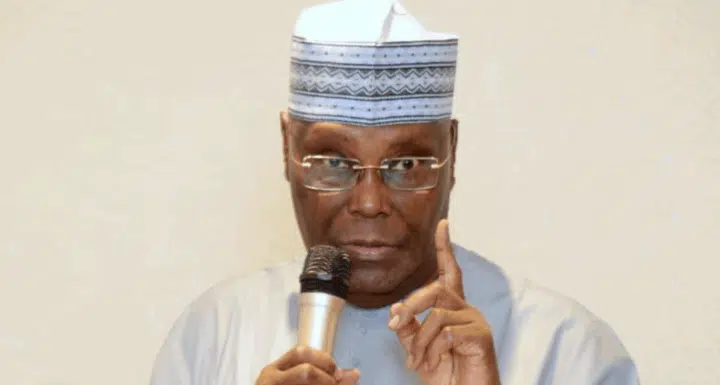
In a dramatic turn of events that could reshape Nigeria's political landscape, the Sokoto State chapter of the Allied Democratic Congress (ADC) officially endorsed Atiku Abubakar as its presidential candidate on May 25, 2026. This announcement came during a high-stakes gathering in the heart of Sokoto, where party leaders and supporters rallied behind Atiku, a seasoned politician and former Vice President, known for his influential role in Nigerian politics. The endorsement marks a significant moment as the ADC positions itself to challenge the political status quo ahead of the upcoming elections.
The ADC's decision to back Atiku is not merely symbolic; it reflects a strategic alliance aimed at galvanizing support across Nigeria's diverse regions. During the endorsement ceremony, Sokoto ADC Chairman, Mallam Ibrahim Musa, articulated the party's confidence in Atiku’s vision for a united Nigeria. "Atiku Abubakar embodies the change we need. His experience and commitment to national development resonate with our aspirations," Musa declared, emphasizing the urgency of a transformative leadership as the nation approaches the elections.
This endorsement does not emerge in a vacuum. Atiku Abubakar has been a notable figure in Nigerian politics for decades, having previously contested for the presidency in 2019 as the candidate for the People’s Democratic Party (PDP). His political journey has been marked by both triumphs and challenges, reflecting the complexities of Nigeria's electoral landscape. The ADC’s backing signifies a shift in alliances, as smaller parties seek to consolidate their influence against the dominant parties, particularly ahead of an election that promises to be fiercely contested.
The implications of this endorsement extend beyond party lines. The ADC’s alignment with Atiku could attract a broader coalition of voters disillusioned with the current administration. Political analysts suggest that this move could significantly impact the electoral dynamics in Sokoto and neighboring states. "This alliance gives Atiku a stronger foothold in the northwest, a region critical for any presidential candidate's success," noted Dr. Chijioke Okafor, a political scientist at the University of Lagos. As reactions pour in, supporters express optimism while critics raise questions about the ADC's ability to influence the election outcome at a national level.
As the political atmosphere heats up, all eyes will be on how Atiku and the ADC navigate the challenges ahead. Upcoming political rallies, debates, and campaign strategies will be crucial in determining their visibility and voter engagement. With the elections looming, the ADC’s endorsement of Atiku Abubakar not only shapes the immediate political narrative but also sets the stage for potential shifts in Nigeria's future leadership. The nation watches closely, awaiting the unfolding drama of the electoral process.



0 Comments
No comments yet. Be the first to share your thoughts.
Leave a Comment