
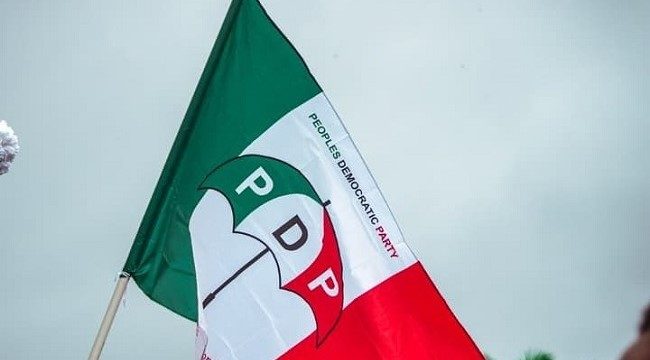
In a dramatic turn of events, the Peoples Democratic Party (PDP) led by Kabiru Turaki has vehemently denied allegations of obstructing presidential aspirants from obtaining crucial nomination forms. On Thursday, the party's spokesman, Ini Ememobong, issued a statement refuting the claims, describing them as misleading and unfounded. The backdrop of these accusations raises questions about the transparency of the party's electoral processes as Nigeria gears up for a critical presidential primary election. Amid rising tensions, the PDP is keen to ensure that its aspirants feel secure in their pursuit of the nomination.
Ememobong's statement emphasized that the Interim National Working Committee had not directed any official to hinder potential candidates from participating in the nomination process. He clarified that the party had recently reviewed its election timetable, accommodating requests from members for additional time to complete the necessary procedures. The revised timeline sets the deadline for purchasing and submitting nomination forms to May 22, 2026, with a special screening for unvetted aspirants scheduled for May 23, 2026. This extension aims to create an inclusive environment for all contenders, regardless of their backgrounds.
Historically, the PDP's commitment to democracy has often been called into question, especially as it navigates internal factionalism and external scrutiny. The current situation echoes previous elections where allegations of manipulation and exclusion surfaced, leading to public distrust. This moment is pivotal, as the party seeks to move past its turbulent past and present a united front ahead of the elections. The insistence on open access to nomination forms reflects a strategic shift intended to regain the confidence of both party members and the electorate.
The implications of this controversy extend beyond party lines, affecting Nigeria's political landscape. Aspirants from various regions are watching closely, as their ability to participate hinges on the PDP's actions. Reactions from political analysts suggest that transparency in this process is crucial for the party's credibility. Ememobong's assurance that all Nigerians interested in contesting on the PDP platform are welcome to obtain nomination forms is a step towards fostering inclusivity; however, skepticism still lingers among potential candidates about the party's commitment to fair play.
As the election draws near, observers should monitor how the PDP implements its revised timetable. Will the party truly allow all interested aspirants to participate, or will further disputes arise? This situation remains fluid, and the next few weeks could be critical in shaping the narrative for the PDP and influencing Nigeria's broader electoral dynamics. The party's ability to uphold its promise of transparency will be tested as it approaches the primary elections with heightened scrutiny from both members and the public.

0 Comments
No comments yet. Be the first to share your thoughts.
Leave a Comment