
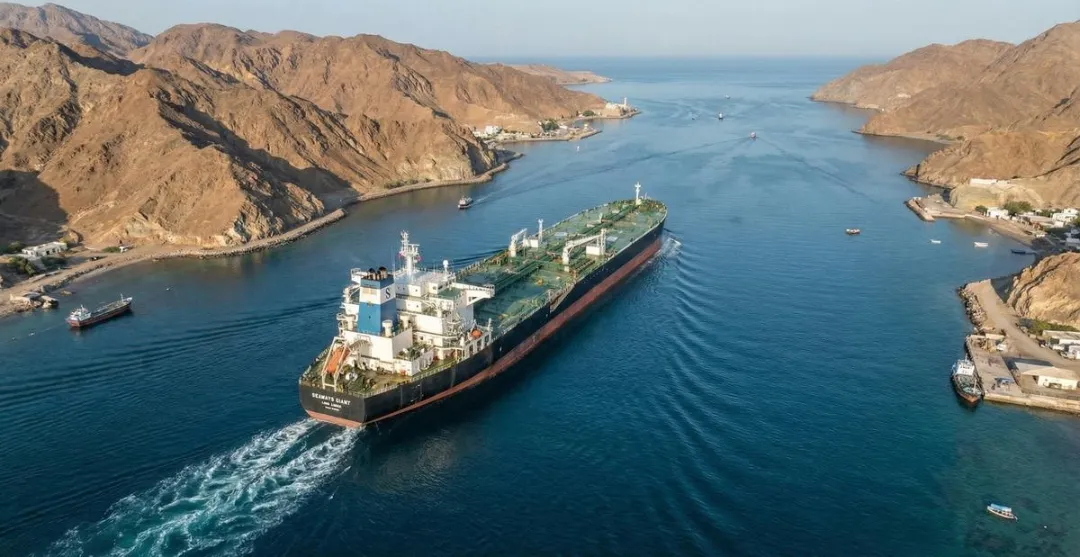
Global oil prices rose on Wednesday, October 21, 2026, as escalating tensions in the Middle East and increasing risks to maritime shipping heightened concerns over potential disruptions to crude oil supplies.
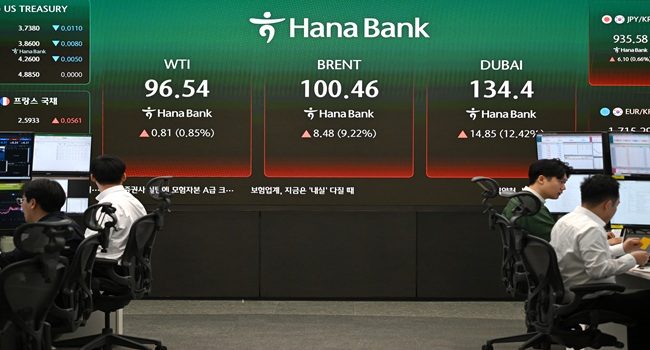
Brent crude futures gained 85 cents, or 0.78 per cent, to $109.64 per barrel, while US West Texas Intermediate (WTI) crude rose by 76 cents, or 0.78 per cent, to $98.58 per barrel as of 0022 GMT, according to Reuters.
The increase came amid reports of attacks on commercial vessels near the Strait of Hormuz, growing security concerns around the Red Sea and threats to energy infrastructure in Saudi Arabia.
Tanker Attacks Raise Supply Concerns
Market concerns intensified after a supertanker reportedly caught fire after striking a sea mine south of the Strait of Hormuz, according to statements attributed to Iran's Revolutionary Guards Navy and Iranian media.
Shipping data provider Kpler also reported that at least 18 attacks on vessels had occurred over a two-week period, underscoring the growing risks facing commercial shipping in the region.
Analysts warned that attacks extending beyond the Strait of Hormuz could threaten oil-loading operations and maritime transfers used to transport crude oil from the Middle East to international markets.
The Strait of Hormuz is one of the world's most strategically important energy corridors, linking major Gulf oil producers to international shipping routes. Prolonged disruption in the area could restrict supplies, increase transportation costs and push global oil prices higher.
Houthi Attacks Add to Market Uncertainty
The latest price increase also followed claims by Yemen's Houthi movement that it had carried out attacks on Saudi energy and strategic facilities, including a Saudi Aramco site in Yanbu and the Shaybah oilfield.
The Houthis also claimed attacks on airports in Riyadh and Abha, according to Reuters. The claims and their full impact on Saudi infrastructure were not independently established in the report.
The developments have heightened concerns about the security of Saudi Arabia's energy facilities and the potential for further escalation across the Middle East.
Saudi Arabia is a major global oil producer, meaning any significant disruption to its production or export infrastructure could have wider implications for international energy markets.
Oil Prices Remain Sensitive to Diplomatic Developments
Despite Wednesday's early gains, oil prices have experienced volatility as traders assess the balance between geopolitical risks and possible diplomatic efforts to ease regional tensions.
Reuters reported that oil futures had settled lower in the previous trading session after briefly reaching a five-month high, reflecting changing market expectations surrounding supply disruptions and potential mediation efforts.
Meanwhile, US officials have been working with refiners to increase fuel production amid concerns about a diesel shortage and rising fuel prices.
Investors are also monitoring US crude inventories for further indications of whether available supplies can meet demand.
Possible Impact on Global Economy
A sustained increase in crude oil prices could raise the cost of petrol, diesel, aviation fuel and other petroleum products, placing additional pressure on businesses and consumers.
Countries that rely heavily on imported crude oil and refined petroleum products could face higher import bills, increased transportation costs and renewed inflationary pressures.
For Nigeria, higher international crude prices could potentially increase export earnings, but the overall economic impact would depend on domestic production, foreign exchange conditions, fuel import requirements and government fiscal policies.
The extent of any impact on local petrol prices would also depend on domestic supply arrangements, refining costs, distribution expenses and other market factors.
With tensions continuing to threaten key shipping routes and energy infrastructure, traders are expected to remain alert to developments that could affect global crude oil supplies.


0 Comments
No comments yet. Be the first to share your thoughts.
Leave a Comment