
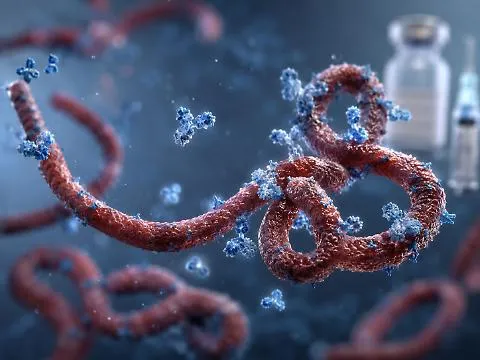
The Federal Government has confirmed an Ebola case in Abuja involving a woman who recently arrived from Uganda, with health authorities identifying 44 contacts for monitoring and follow-up.
Nigeria has confirmed an Ebola virus disease case in the Federal Capital Territory (FCT), Abuja, following laboratory tests on a woman who recently travelled from Uganda.
The development was reported on Tuesday, October 20, 2026, as health authorities intensified surveillance and contact-tracing efforts to prevent possible further transmission.
According to reports, the patient was admitted to a private hospital in Abuja, where she was isolated and placed under medical care after testing positive for the virus.
Authorities have identified 44 people who may have been exposed to the patient and are working to determine their level of exposure. The identification of these contacts does not mean they have contracted the disease.
The Federal Government is also strengthening infection-prevention measures and monitoring procedures as investigations continue.
Nigeria Intensifies Ebola Surveillance
The confirmed case comes amid heightened regional concerns over Ebola outbreaks involving the Bundibugyo virus, a type of Ebola virus for which there is no established, approved vaccine or specific treatment proven effective for the strain.
Health authorities are expected to continue investigating the patient's travel history, possible exposure points and contacts to establish whether there is any risk of further transmission within the country.
The case also underscores the importance of early detection, effective isolation and rapid public-health intervention in containing infectious diseases.
Symptoms and Preventive Measures
Ebola virus disease can cause symptoms including fever, severe weakness, headache, muscle pain, vomiting and diarrhoea. In some cases, patients may develop internal or external bleeding.
The virus is transmitted through direct contact with the blood or other bodily fluids of an infected person who is showing symptoms, or through contaminated objects and materials.
The public has been advised to maintain proper hand hygiene, avoid contact with bodily fluids from suspected cases and seek medical guidance if symptoms develop following a possible exposure.
Individuals who believe they may have been exposed should contact public-health authorities for advice and avoid unnecessary contact with others while awaiting assessment.
What Nigerians Should Know
The identification of 44 contacts represents a contact-tracing measure and should not be interpreted as 44 confirmed infections.
As investigations continue, Nigerians are advised to remain calm, avoid spreading unverified information and rely on official updates from the Nigeria Centre for Disease Control and Prevention (NCDC) and the Federal Ministry of Health.
Further information on the patient's condition, the outcome of contact monitoring and the possibility of additional cases will depend on updates from the relevant health authorities.
Press Point News will continue to monitor developments and report verified updates as they become available.




0 Comments
No comments yet. Be the first to share your thoughts.
Leave a Comment